
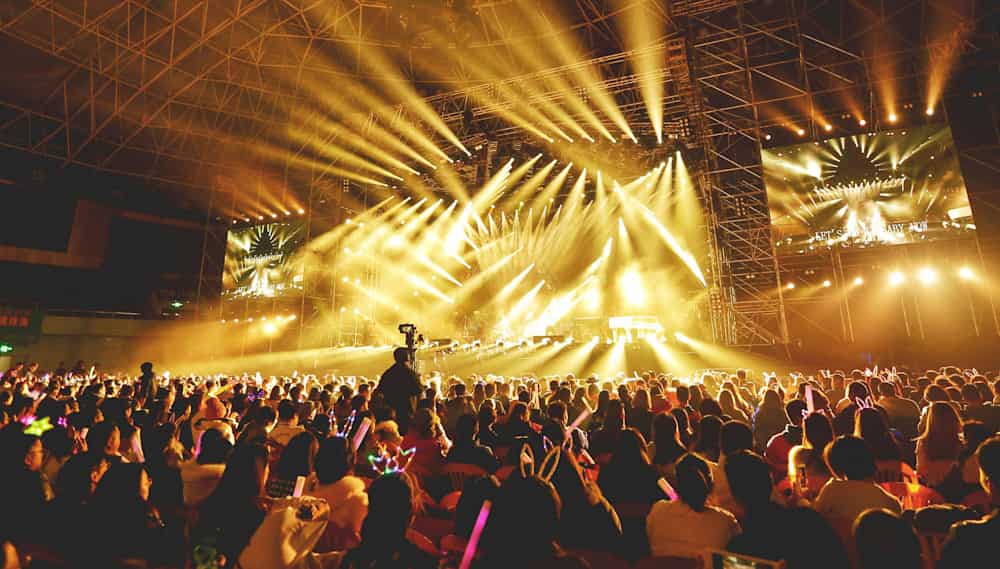
When a major artist announces a tour, one of the first things fans notice is the venue type. Will it be an arena show or a stadium concert? For casual concertgoers, the distinction might seem minor. But for anyone who has attended both, the difference is enormous. From the size of the crowd and the quality of the sound to ticket prices and the overall atmosphere, arenas and stadiums offer fundamentally different live music experiences.
Understanding what sets these two venue types apart can help you make smarter decisions when buying tickets, choosing your seat, and planning your concert experience. Whether you are a first-time concertgoer or a seasoned live music fan, knowing what to expect from each format will elevate your enjoyment significantly.
Understanding the Basics
Before diving into the differences, it helps to understand what each venue actually is and how it was originally designed.
Arenas in the United States are large indoor facilities primarily built for sports, entertainment, and concerts. They typically hold between 10,000 and 25,000 people, depending on the configuration. Famous examples include Madison Square Garden in New York City, the United Center in Chicago, and the Crypto.com Arena in Los Angeles. These venues are designed with entertainment in mind, and many have been upgraded specifically to improve acoustics, sightlines, and audience comfort.
Stadiums, on the other hand, are massive outdoor or semi-outdoor structures originally built for football, baseball, or soccer. They can hold anywhere from 50,000 to over 100,000 people. When an artist performs at a stadium, they are often at the peak of their commercial popularity. Think of venues like SoFi Stadium in Los Angeles, MetLife Stadium in New Jersey, or Wrigley Field in Chicago. Stadium concerts are rare by comparison, and they carry a sense of occasion that arenas simply cannot replicate at the same scale.
Scale and Crowd Energy
The most obvious difference between arenas and stadiums is scale. Attending a stadium concert means being part of a massive collective experience. When 70,000 or 80,000 people sing the same lyrics simultaneously, the energy is overwhelming in the best possible way. The sheer size of the crowd creates a cultural moment that feels historic, even when you are living it in real time.
Arena concerts, while still large, feel more contained. The crowd is smaller, the ceiling is closer, and the atmosphere tends to feel more focused. Many fans argue that arenas actually produce better energy because the sound and excitement are concentrated rather than spread across a vast open space. When the crowd cheers in an arena, you feel it in your chest. The enclosed space amplifies not just sound but emotion.
Stadium concerts offer spectacle on an almost cinematic scale, while arenas tend to deliver intensity. Both are powerful, but in distinctly different ways.
Sound Quality
This is one of the most important factors for serious music fans, and it is where arenas and stadiums diverge most technically.
Indoor arenas have a significant acoustic advantage. Modern arenas are often equipped with sophisticated sound systems designed specifically for concerts, with speaker arrays positioned throughout the venue to ensure consistent audio quality regardless of where you are seated. The enclosed environment reduces the impact of wind, ambient noise, and the natural dispersal of sound into open air.
Stadiums present a much greater acoustic challenge. Because they were built for sports, they were never designed with music in mind. Sound in a stadium has to travel enormous distances, and outdoor environments make it difficult to control echo, delay, and volume consistency. Artists performing at stadiums invest heavily in custom speaker systems and production infrastructure, but even with the best technology, sound quality at a stadium can vary dramatically depending on your seat location.
Front-of-stage floor seats at a stadium typically deliver the most powerful audio experience. Upper-deck seats in the corners, however, can suffer from noticeable sound delay and reduced clarity. In an arena, even seats that feel far from the stage tend to receive reasonably good sound because the venue was built to contain it.
For audiophiles and detail-oriented listeners, arenas generally offer a more sonically satisfying experience. For fans who prioritize the overall spectacle and emotional scale, stadiums can still be magical despite their acoustic limitations.
Stage Production and Visual Experience
Stadium concerts justify their massive scale with equally massive production. Artists like Taylor Swift, Beyoncé, Bruce Springsteen, and Coldplay have turned stadium shows into full theatrical productions, complete with elaborate light shows, pyrotechnics, giant video screens, moving stages, aerial elements, and visual storytelling that unfolds over an entire two-hour set.
The production budgets for top stadium tours run into the tens of millions of dollars, and it shows. Even from a significant distance, stadium performances are visually stunning. Multiple screens positioned throughout the venue ensure that fans in distant seats can still follow the performance closely. The combination of fireworks, lasers, confetti, and synchronized lighting creates a visual experience that goes far beyond what most arenas can accommodate.
Arena productions are still impressive, but they operate within tighter physical constraints. The lower ceiling height and smaller floor area limit the scale of visual effects. That said, many arena shows compensate with greater intimacy. The artist feels closer, facial expressions are more readable, and the performance feels more personal.
Some artists specifically prefer arenas because of this intimacy. A performer who thrives on crowd interaction may find that a stadium’s distance creates a disconnect, while an arena allows them to engage with fans more authentically.
Ticket Prices and Accessibility
Stadium concerts have become increasingly expensive in the United States. With demand for top-tier artists at an all-time high and dynamic pricing now standard across most ticketing platforms, floor seats and premium areas at stadium shows can easily reach several hundred dollars. For a family of four, attending a major stadium concert can become a significant financial commitment once tickets, transportation, parking, and concessions are factored in.
Arena tickets tend to cover a broader price range. While premium seats for top artists are still costly, the overall market tends to offer more accessible options. The smaller capacity also means the experience does not feel as diluted across multiple price tiers. A $75 seat at an arena might offer a genuinely good experience, while the equivalent price at a stadium might place you far from the stage with compromised sound.
That said, stadium concerts are simply not available as frequently. Only the biggest artists in the world can sell out a stadium, which means the events themselves feel more exclusive and significant, even when they accommodate far more people.
Comfort and Logistics
Attending a stadium concert requires planning. Parking lots fill quickly, lines are long, and navigating 70,000 people at the end of a show requires patience. Many stadiums are located in areas where public transportation helps, but the logistics of large-scale events remain a real consideration.
Food and beverages are another area where stadiums and arenas differ. Because of their size, stadiums tend to have more vendor options, though wait times can be frustrating. Arenas, being smaller, often feel easier to navigate, with shorter lines and a clearer sense of layout.
Restroom availability, aisle space, and seating comfort also tend to be slightly better in purpose-built arenas than in older stadiums, many of which were designed decades ago with sports fans rather than concert audiences in mind. Newer stadium construction and renovations have improved this significantly, but older facilities still lag behind.
Weather and Outdoor Conditions
One factor that arena fans never have to worry about is weather. Indoor arenas provide a climate-controlled environment, which means a summer concert will not leave you sweating through your clothes and a fall show will not require layers of cold-weather gear.
Stadium concerts, particularly those in open-air venues, are entirely subject to the elements. Rain, wind, heat, and cold can all affect the experience significantly. Some fans love the outdoor atmosphere and find that weather adds to the sense of adventure. Others find it distracting or uncomfortable.
Most major stadium tours have weather contingency plans, but delays and cancellations do happen. When planning a stadium concert trip, especially if you are traveling from another city or country, building in flexibility is wise.
Which Experience Is Right for You?
Choosing between an arena and a stadium concert ultimately comes down to your personal priorities as a fan.
If you want the most immersive, emotionally overwhelming, and visually spectacular live experience money can buy, a stadium concert from a top-tier global artist is nearly impossible to beat. The scale alone creates a sense of history and shared humanity that smaller venues cannot match.
If you value sound quality, intimacy, crowd energy, and a more focused connection with the performance, arenas often deliver a more satisfying experience. Many music fans argue that the best concerts they have ever attended happened in mid-sized arenas where everything felt perfectly balanced.
The good news is that the United States offers both in abundance. Cities like New York, Los Angeles, Chicago, Dallas, and Miami host major shows across both venue types throughout the year. For dedicated concert travelers, the ideal approach is experiencing both — and recognizing that each offers something the other cannot fully replicate.
The Evolution of Concert Culture
It is also worth noting that the line between arenas and stadiums has blurred in recent years. Some modern venues are designed to serve both purposes at different capacities, and production technology has advanced enough that the visual gap between the two formats has narrowed. Artists are also increasingly creative about how they use space, with thrust stages, B-stages, and runway extensions that bring performers closer to fans in the upper sections.
At the same time, the emotional significance of a stadium sellout remains unmatched in American entertainment culture. When an artist fills a stadium in their home city or reaches a demographic milestone through a historic tour, it becomes part of the cultural conversation in a way that arena shows rarely do.
Both formats have a meaningful place in the American live music landscape, and both deserve celebration. The next time a favorite artist announces a tour, pay close attention to the venue. Where they choose to perform says a great deal about the experience they intend to create — and knowing the difference will help you appreciate every moment of it.