
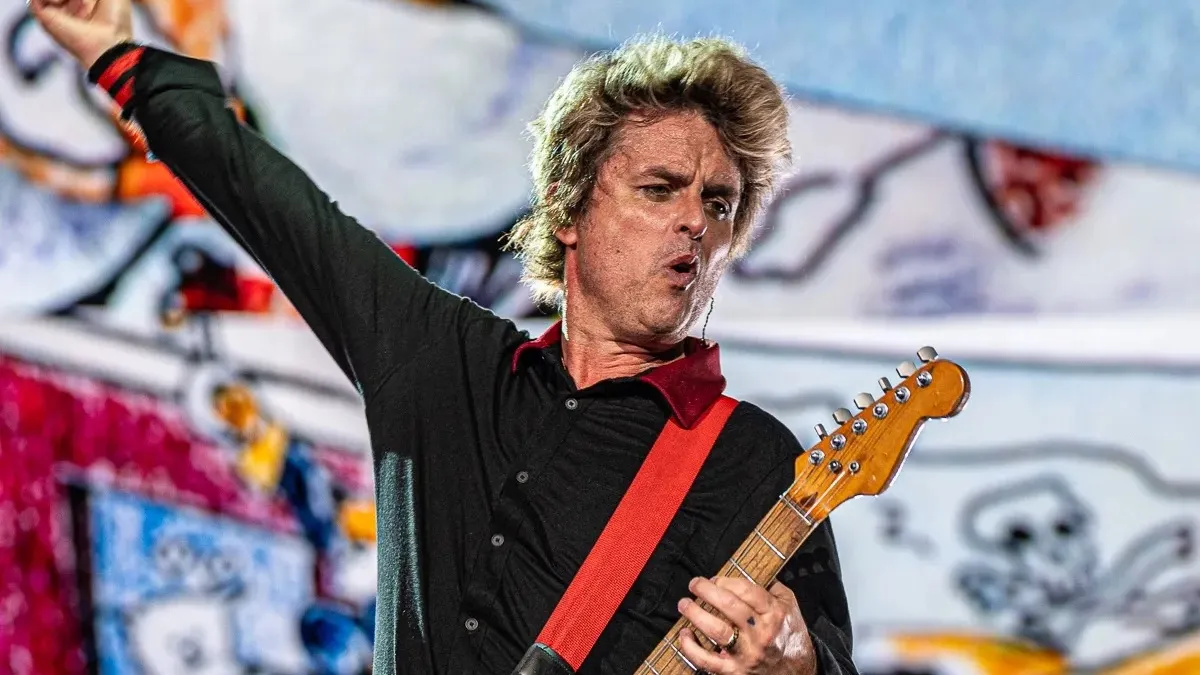
Green Day is officially stepping onto one of the biggest stages on the planet. 🎸 The legendary punk rock band has been confirmed as part of the Super Bowl inauguration show, marking a historic moment where raw, rebellious punk energy collides with one of the most massive sporting events in the world. 🏉🌍
For decades, the Super Bowl has been known not just for football, but for its high-profile musical performances. From pop icons to hip-hop legends, the halftime and opening shows have consistently reflected mainstream culture. Green Day’s inclusion, however, signals something different: punk rock is no longer confined to underground venues and alternative festivals—it’s now front and center on a global stage watched by hundreds of millions.
Formed in the late 1980s, Green Day has been a defining force in punk rock, bringing the genre to mainstream audiences without ever fully losing its edge. Albums like Dookie, American Idiot, and 21st Century Breakdown shaped generations, blending fast-paced guitars with lyrics that tackle alienation, politics, and social unrest. Their presence at the Super Bowl feels symbolic, especially at a time when cultural expression and individuality continue to challenge the status quo.
The inauguration show sets the tone for the entire Super Bowl experience, and Green Day is known for explosive openings. Billie Joe Armstrong’s unmistakable vocals, Mike Dirnt’s driving basslines, and Tré Cool’s relentless drumming are practically designed to ignite massive crowds. Translating that energy to a stadium—and millions of screens worldwide—could be one of the most memorable openings in recent Super Bowl history.
Naturally, fans are already debating one crucial question: which song should be the first to sound? ✨
Should it be the iconic opening riff of “American Idiot,” instantly recognizable and packed with attitude? Or perhaps “Basket Case,” a timeless anthem that defined ’90s punk and still resonates today? Others argue for “Holiday,” a politically charged track with a chant-ready chorus perfect for a stadium environment. Each option brings a different flavor of Green Day’s legacy, but all guarantee an electrifying start.
Beyond song choices, Green Day’s participation highlights how punk rock continues to evolve and remain relevant. What once stood as a countercultural movement is now influencing mainstream spaces without losing its core message: speak up, question authority, and be unapologetically yourself. Seeing punk rock take over the Super Bowl stage is a reminder that authenticity still matters—even in the most commercial arenas.
As the countdown to kickoff begins, anticipation is building not just for the game, but for the moment Green Day plugs in and turns up the volume. One thing is certain: when punk rock hits the Super Bowl stage, it won’t whisper—it will roar.